What is My Skin Type?
Oily?Dry?Combination?Sensitive?Normal?
Understanding your skin type is the first step to glowing, healthy skin. Once you know what kind of skin you have, you can choose the right products and routines that actually work for you.
Let’s find out your skin type with few simple steps!

🧼 Step 1: Cleanse and Wait
Start with a fresh face. Wash your face with a gentle cleanser to remove makeup, dirt, and oil. Then... do nothing. Seriously—don’t apply any products for at least 1 hour.
🔍 Step 2: Observe Your Skin
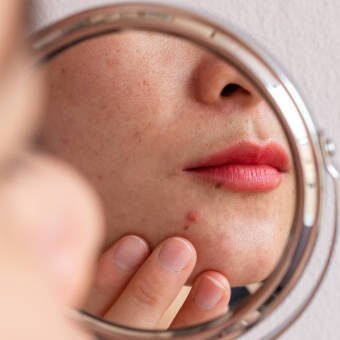
After an hour, stand in front of a mirror in natural light. Gently touch your skin and take note of the following: Is your forehead shiny or matte? Do your cheeks feel dry, soft, or oily? Are there any tight areas, flakiness, or excess oil?
💡 Step 3:
Match the Signs to Your Skin Type
Your skin gives clear signals when you know what to look for. Below, we’ll break down the most common skin types so you can match your signs to the right category.
🟡 Oily Skin
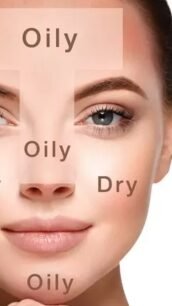
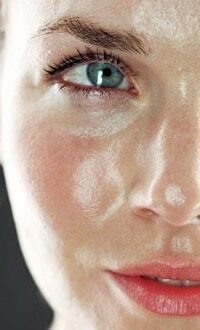
If your face looks shiny all over, especially in the T-zone (forehead, nose, and chin), and feels greasy by midday you probably have oily skin.
Common signs:
Enlarged pores
Prone to blackheads and acne
Makeup tends to slide off
🔵 Dry Skin
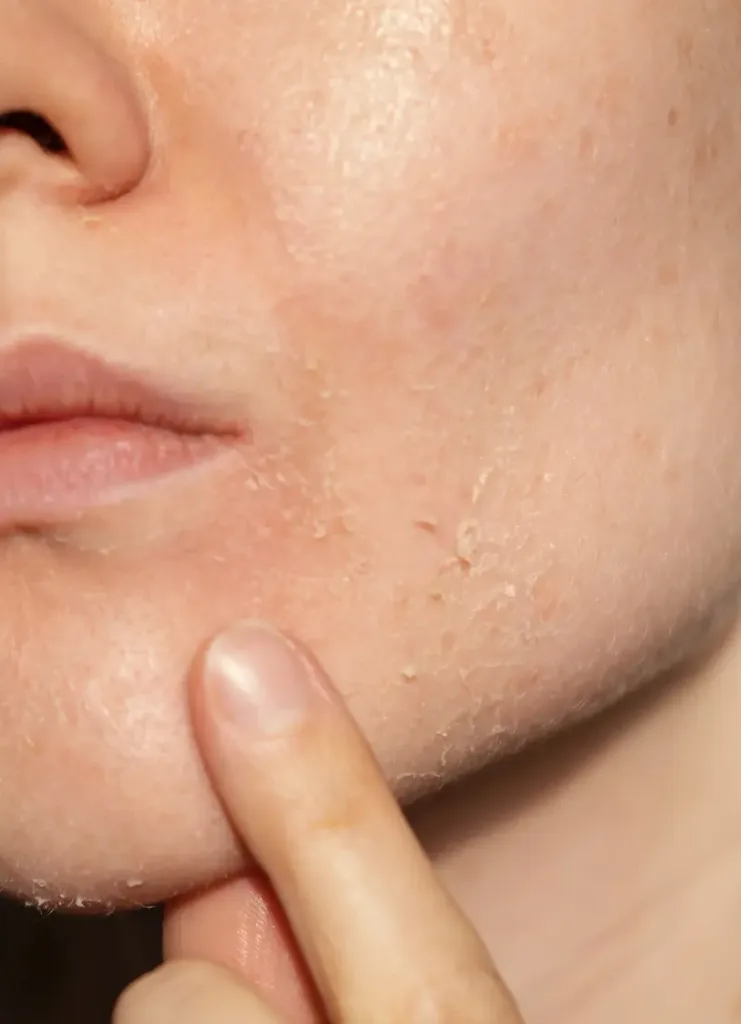
Does your skin feel tight, rough, or flaky? That’s a clear sign of dryness.
Common signs:
Skin feels tight after washing
Flaky patches, especially around the nose or mouth
Looks dull or rough in texture
🟢 Combination Skin
You’re oily in some places (usually the T-zone), but dry or normal in others (like your cheeks)? That’s combo skin.
Common signs:
Shiny T-zone, dry cheeks
Occasional breakouts
Requires targeted care for different zones
🟣 Sensitive Skin
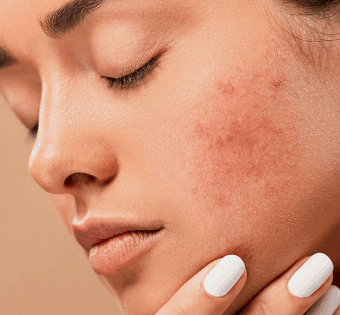
If your skin often feels itchy, burns, stings, or gets red easily especially after trying new products or being in the sun you may have sensitive skin.
Common signs:
Redness or blotchiness
Burning or tingling sensations
Reacts quickly to fragrance, alcohol, or harsh ingredients
Feels irritated in extreme weather
🌿 Bonus Tip: Your Skin Can Change
Seasons, hormones, diet, stress, and even sleep can affect your skin. What’s dry in winter might become oily in summer. Re-check your skin type a few times a year!
What’s Next?
Knowing your skin type is like learning your skin’s love language. Treat it with care, listen to what it needs, and you’ll see the glow-up over time.
Now that you know your skin type, you can choose products that actually suit your skin’s needs. Think of this as the foundation for your skincare journey—start with gentle basics, and build from there.

Add comment